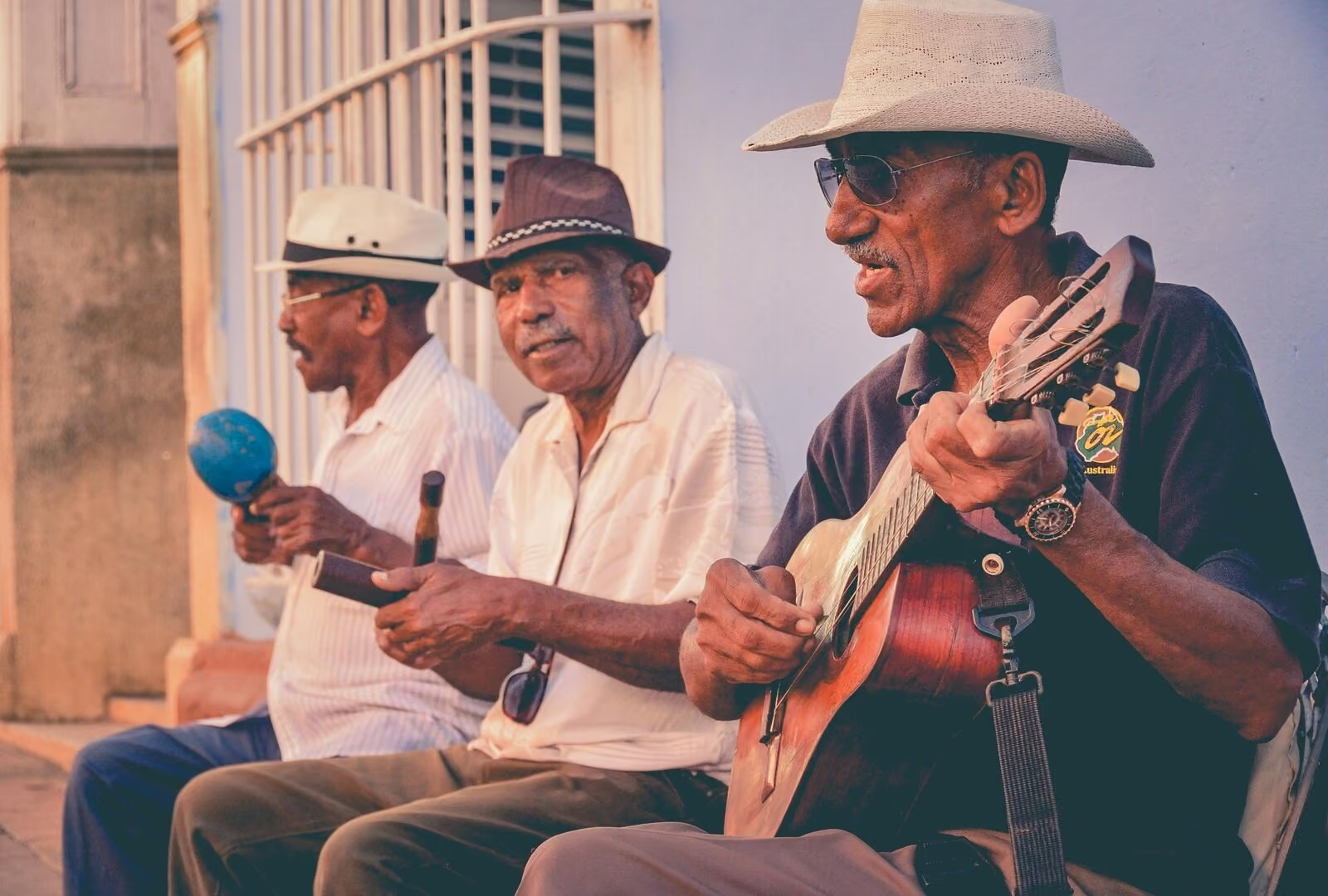

The Caribbean isn’t told only through turquoise beach postcards and infectious music. It’s also told through uncomfortable silences, migration stories, forbidden passions, social wounds, and dreams that refuse to disappear.
The Dominican, Cuban, Puerto Rican, and Venezuelan films available on FlixLatino prove that Caribbean cinema is sophisticated, emotional, and deeply human.
There’s nothing “exotic” here. There is identity. There is truth.
Dominican Republic: Intensity, History, and Desire
Carpinteros
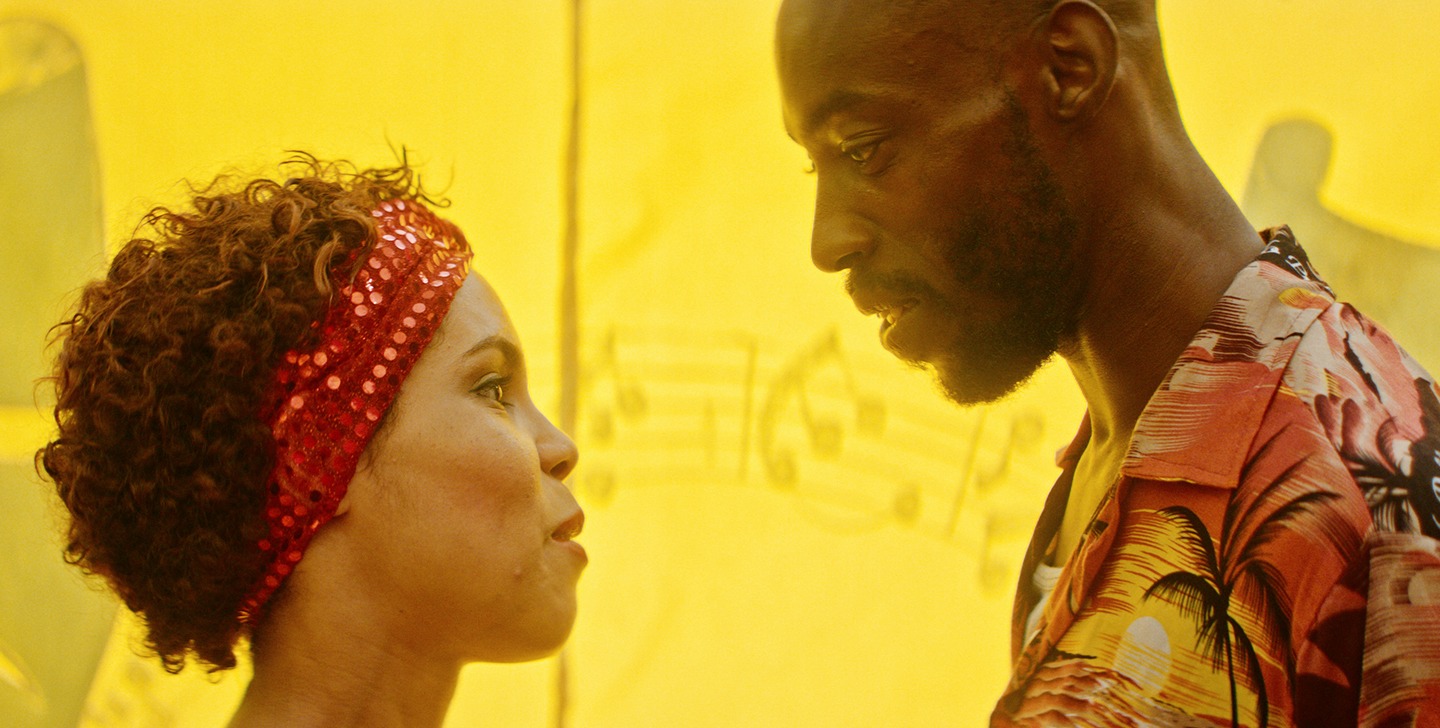
From its very first frame, Carpinteros makes one thing clear: it has no interest in romanticizing anything. The prison is not just a setting; it’s a living ecosystem with invisible rules that shape every movement. The metallic sound of gates, divided courtyards, monitored bodies — everything builds a constant sense of tension.
Julián is no traditional hero. He’s impulsive, contradictory, jealous. Yet when he discovers a clandestine sign language used between male and female prison pavilions, something shifts. This secret communication system — developed by inmates to defy physical separation — becomes profoundly human. In a place designed to erase individuality, communication becomes resistance.
The romance that develops with Yanelly is not sweet or idealized. It’s charged with structural violence, with jealousy that can cost lives, with internal codes the viewer gradually learns to understand. What makes the film powerful is its moral complexity: no one is fully innocent, no one entirely villainous.
Beyond forbidden love, Carpinteros explores desire as a vital necessity. In a space built to dehumanize, loving someone is proof that you still feel — that you still exist.
It’s Dominican cinema that doesn’t ask for permission, placing the island’s industry firmly on the international map with a raw, confident voice.
Watch Carpinteros on FlixLatino
2.Hotel Coppelia
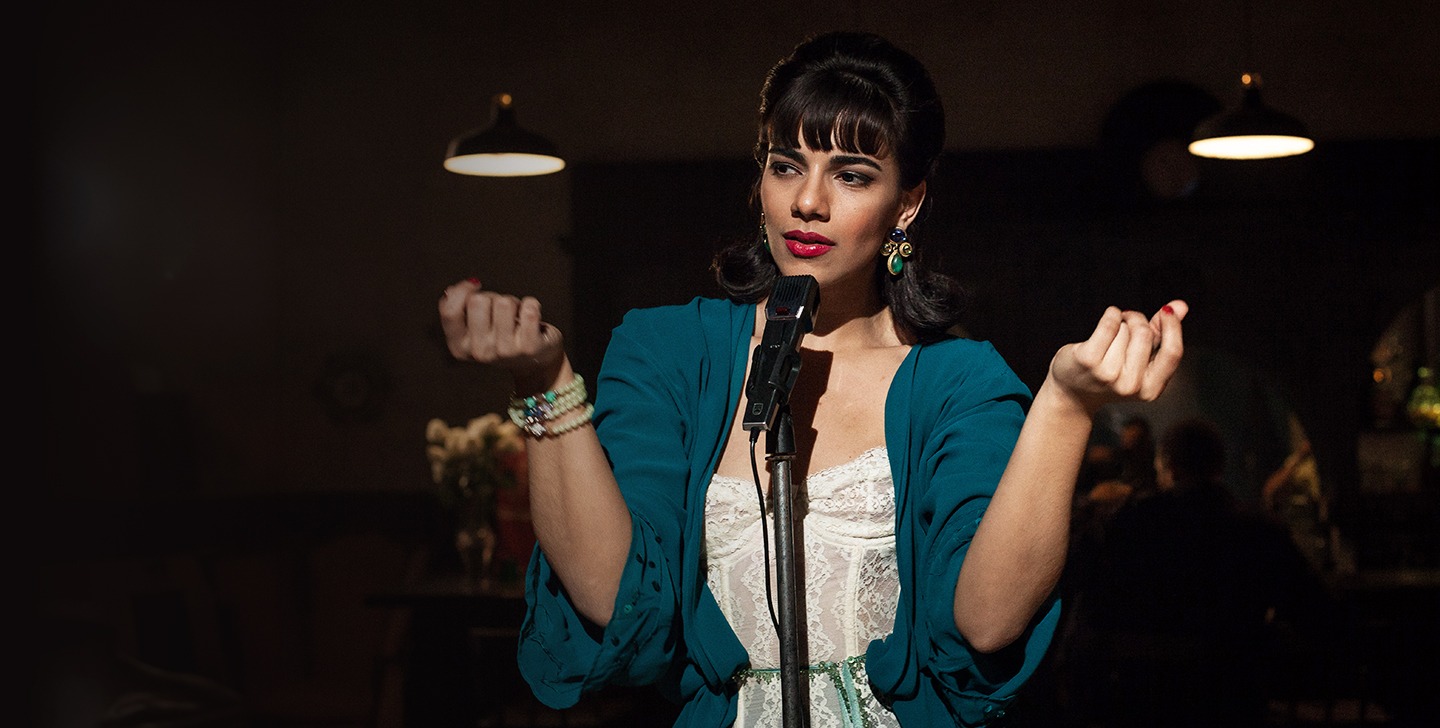
In many historical films, major events take over the entire narrative. Not here. In Hotel Coppelia, the 1965 Dominican Civil War forms the backdrop, but the focus is on those rarely centered in history books: women.
The hotel becomes a microcosm of the country. Outside: gunfire and tanks. Inside: women negotiating survival within a system that has long treated them as commodities. The film explores fear, but also solidarity — the small networks of protection built in the midst of chaos.
There are moments where the camera lingers on subtle gestures: a trembling hand, a knowing glance, a silent decision. These quiet details speak louder than political speeches.
Visually, the film is elegant, almost painterly. Yet that beauty never softens the violence surrounding it. The contrast is deliberate: while the country redefines itself, these women struggle to redefine their own futures.
Hotel Coppelia doesn’t just reconstruct history. It reframes it through a deeply contemporary female lens.
3. En Tu Piel

On the surface, En Tu Piel seems simple: two lovers meeting secretly once a week. But that simplicity is precisely what gives it power.
The film dissects adult desire without moralizing. There are no clear villains — only people trapped between what they feel and what they believe they should feel. Each encounter becomes an emotional negotiation: Is this just sex? Is it love? Escape? Self-deception?
The narrative relies heavily on restrained performances. Pauses speak as loudly as dialogue. Silence after confession carries more weight than argument. The camera observes closely, almost cautiously, as if the viewer were inside the room trying not to be noticed.
It’s a film about the fragility of desire and the emotional strain of living a divided life. Proof that Dominican cinema doesn’t need massive budgets to create real tension.
Cuba: Social Poetry and Deep Humanity
4. Conducta
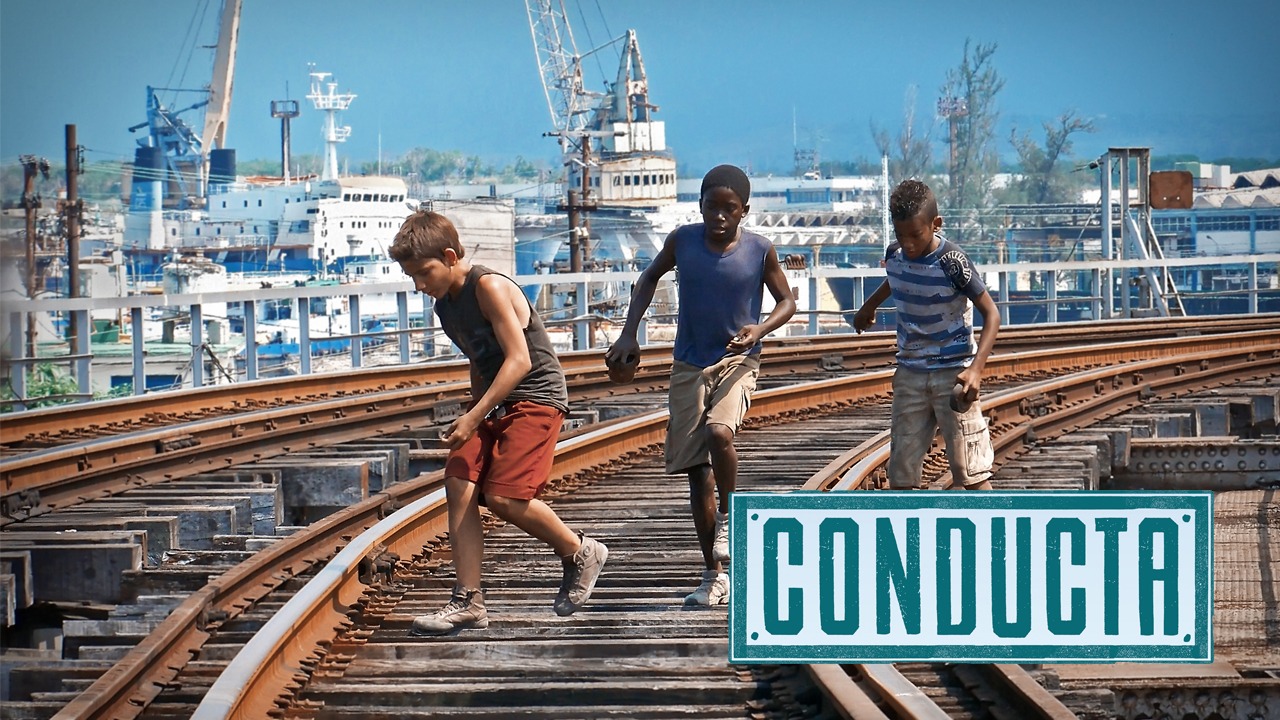
Conducta feels lived-in rather than performed.
Chala is a boy who learned to survive before he learned to trust. He grows up in a fragile environment, surrounded by adults who have already given up on many things. But his teacher, Carmela, insists on seeing beyond his school record.
The brilliance of the film lies in its refusal to idealize either character. Carmela isn’t perfect. Chala isn’t purely a victim. Both are human — tired, flawed, complex.
The critique of Cuba’s educational system is clear but never simplistic. Bureaucracy, labeling, institutional rigidity — they’re all present without heavy-handed speeches.
Some scenes hurt because they feel too real: tense faculty meetings, administrative decisions made without empathy, the constant fear of being misunderstood.
Conducta questions quietly. And that quietness makes its impact last.
5. El Acompañante
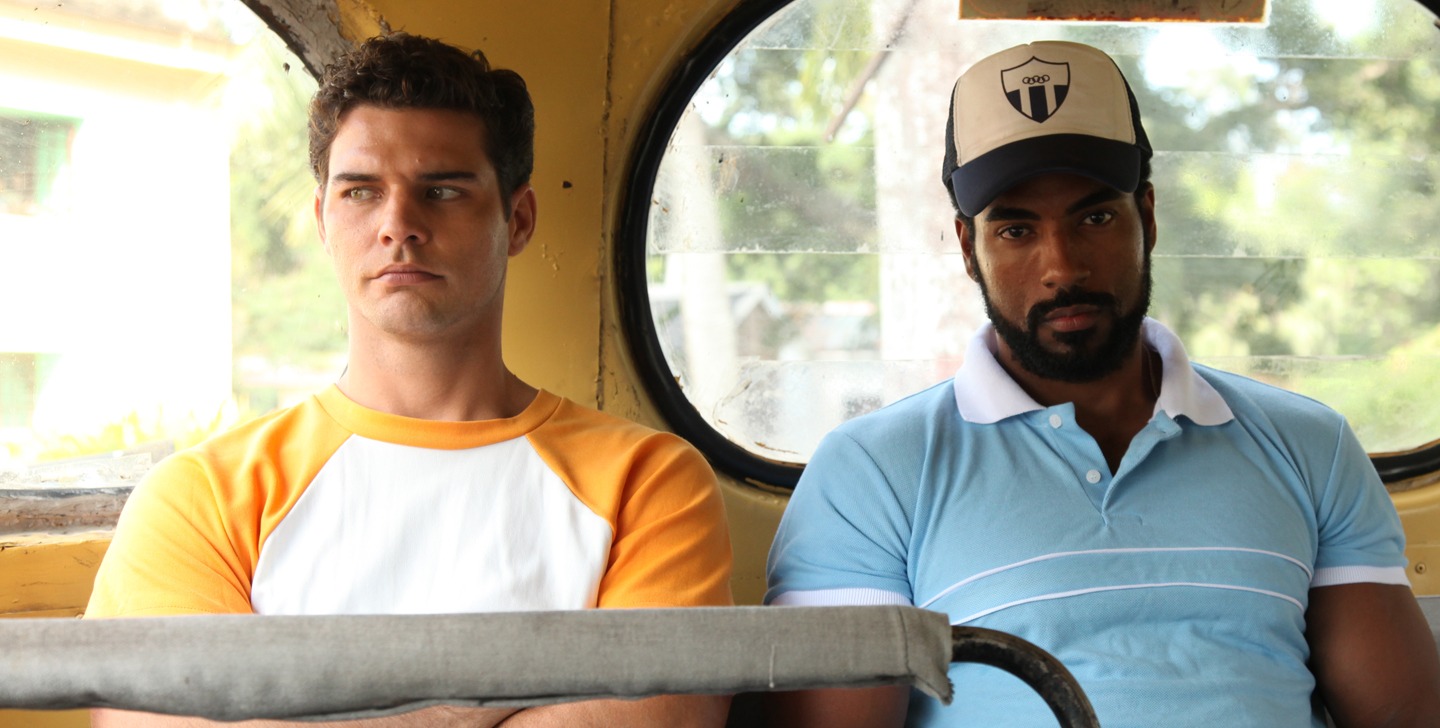
Set in the 1980s during the HIV crisis, El Acompañante explores one of the most delicate chapters in recent Cuban history.
Patients were sent to isolation centers and monitored by state-appointed companions. What could have been told as straightforward political indictment becomes something far more intimate.
A sanctioned boxer assigned to supervise a patient begins with prejudice and obligation. Gradually, forced coexistence reveals layers of shared humanity.
The film neither romanticizes nor caricatures the political context. Instead, it shows how public policy affects real bodies, real emotions.
Fear of contagion, social stigma, loneliness — all are present. But so is empathy, born when two people see beyond labels.
It’s a story about surveillance transforming into connection. About dignity surviving within rigid systems.
6.Últimos Días en La Habana
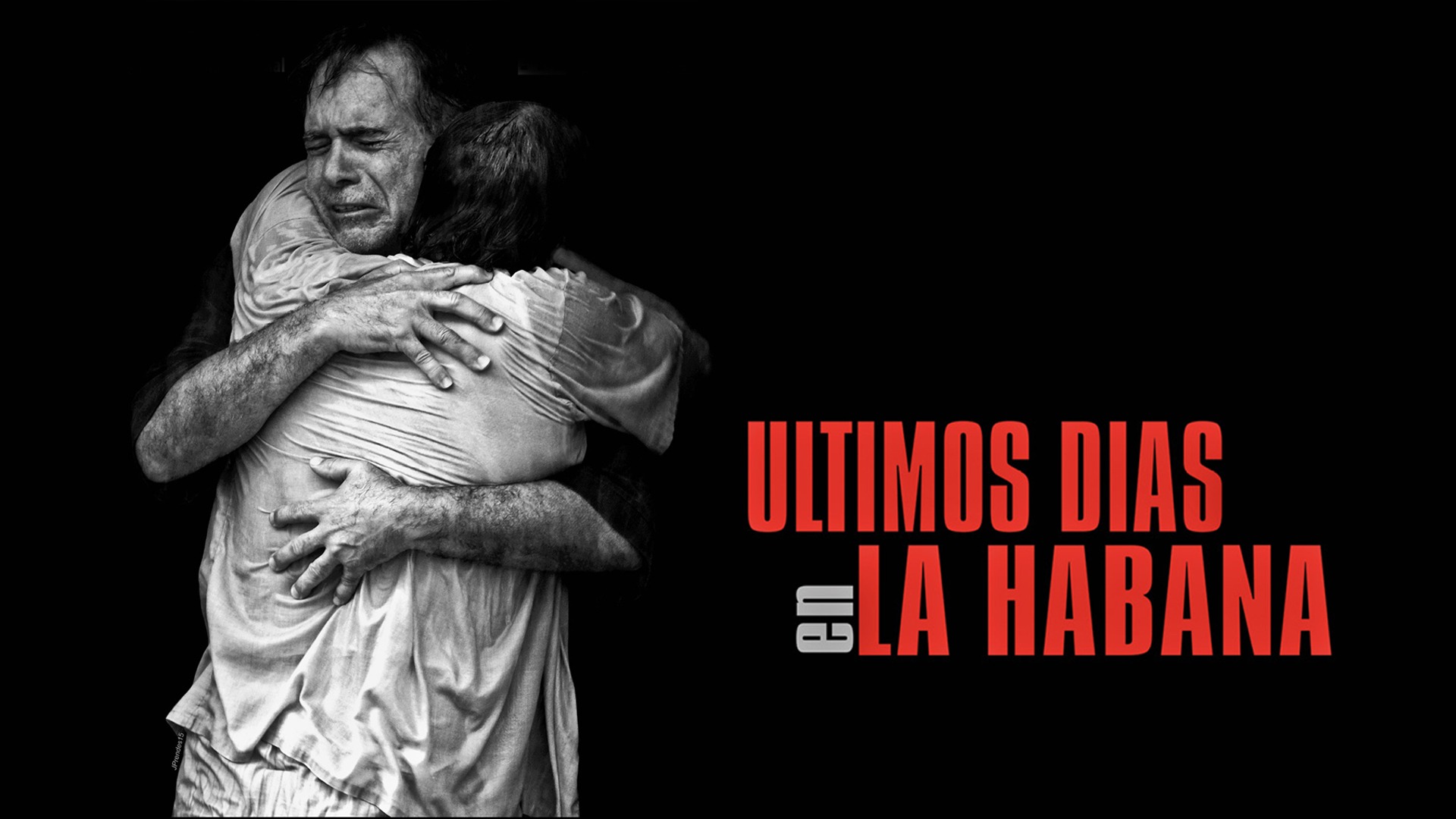
There’s something profoundly honest about this film. It doesn’t attempt to explain Cuba. It simply shows it.
Miguel dreams of leaving the country. Diego dreams of living long enough to celebrate another birthday. They share an apartment, frustrations, jokes, and small arguments that hide enormous affection.
Diego’s illness progresses, yet the film never becomes relentlessly tragic. There’s humor — even lightness — and that balance makes it feel real.
Havana appears as a silent character: peeling buildings, lively streets, balcony conversations. Not a tourist postcard — but a lived-in space.
Últimos Días en La Habana is about friendship as daily resistance. About loving someone even when you can’t save them. About loving a place even when you want to leave.
It’s Cuban cinema that understands the political is also intimate.
Watch Últimos Días en La Habana
Puerto Rico: Migration and Identity in Transition
7. El Cuartito

El Cuartito captures psychological urgency within a nearly unchanging space. Most of the story unfolds inside a small U.S. immigration detention room — not due to limitation, but because confinement is the most powerful metaphor available.
Four Latin American immigrants wait, each carrying fractured dreams, family fears, and uncertain futures.
The tension builds through interrupted conversations, long stares, heavy silences, and the persistent anxiety of not knowing what tomorrow brings.
This is migration stripped of spectacle. Caribbean identity here isn’t beaches — it’s the knot in your throat that won’t let you breathe.
8. Under My Nails

More than an erotic thriller, Under My Nails is an intimate psychological character study.
Solimar, a Puerto Rican nail salon worker in New York, watches others’ lives as closely as her own reflection. The film introduces voyeurism early — Solimar witnesses violence between neighbors, an event that lingers long after.
That violence evolves into complicated desire. Her relationship with Roberto becomes a dangerous dance between attraction and suspicion.
It’s not an easy film. It explores contradictory impulses — observation, desire, denial — and shows how longing can blur moral clarity.
9.A Punto de Llegar

A Punto de Llegar feels like a 3 a.m. conversation about love, failure, and what it truly means to get close to someone.
The film unfolds in ordinary spaces — apartments, cafés, city hallways — that become landscapes of vulnerability and hesitation.
There are no explosive twists. Everything happens in nuance. In pauses heavier than shouting.
It explores how two people can be physically close yet emotionally distant — how “almost” can hurt as much as definitive endings.
Venezuela: Realism and Narrative Courage
10. Pelo Malo
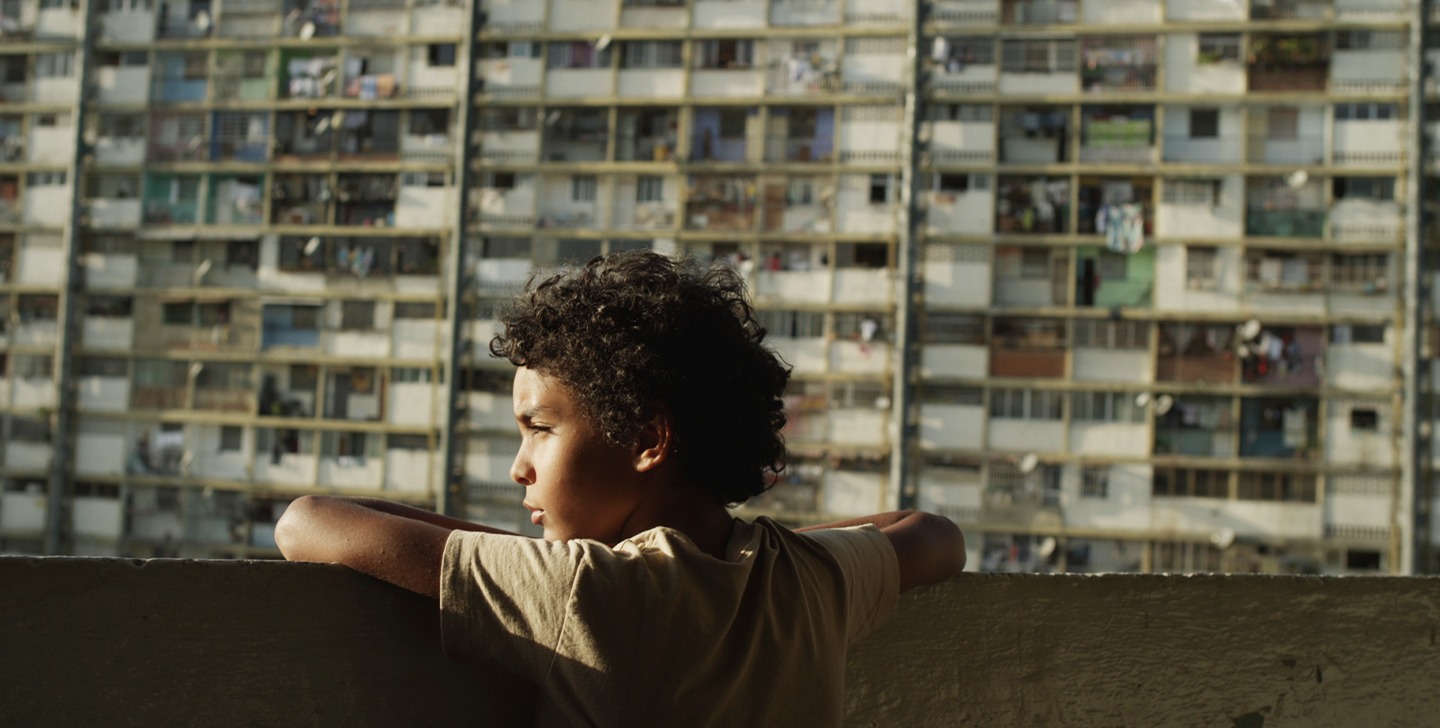
Winner of the Golden Shell at the San Sebastián Film Festival, Pelo Malo seems simple at first — until it stays with you long after.
Nine-year-old Junior wants to straighten his hair for his school photo. That small wish triggers tension with his mother, who interprets it as a threat to social expectations around masculinity.
The film opens conversations about race, gender norms, stigma, and identity in contemporary Venezuela.
Junior’s hair becomes a symbol — of aspiration, of self-expression, of rejection.
It’s social cinema with heart, edge, and truth.
11. La Familia
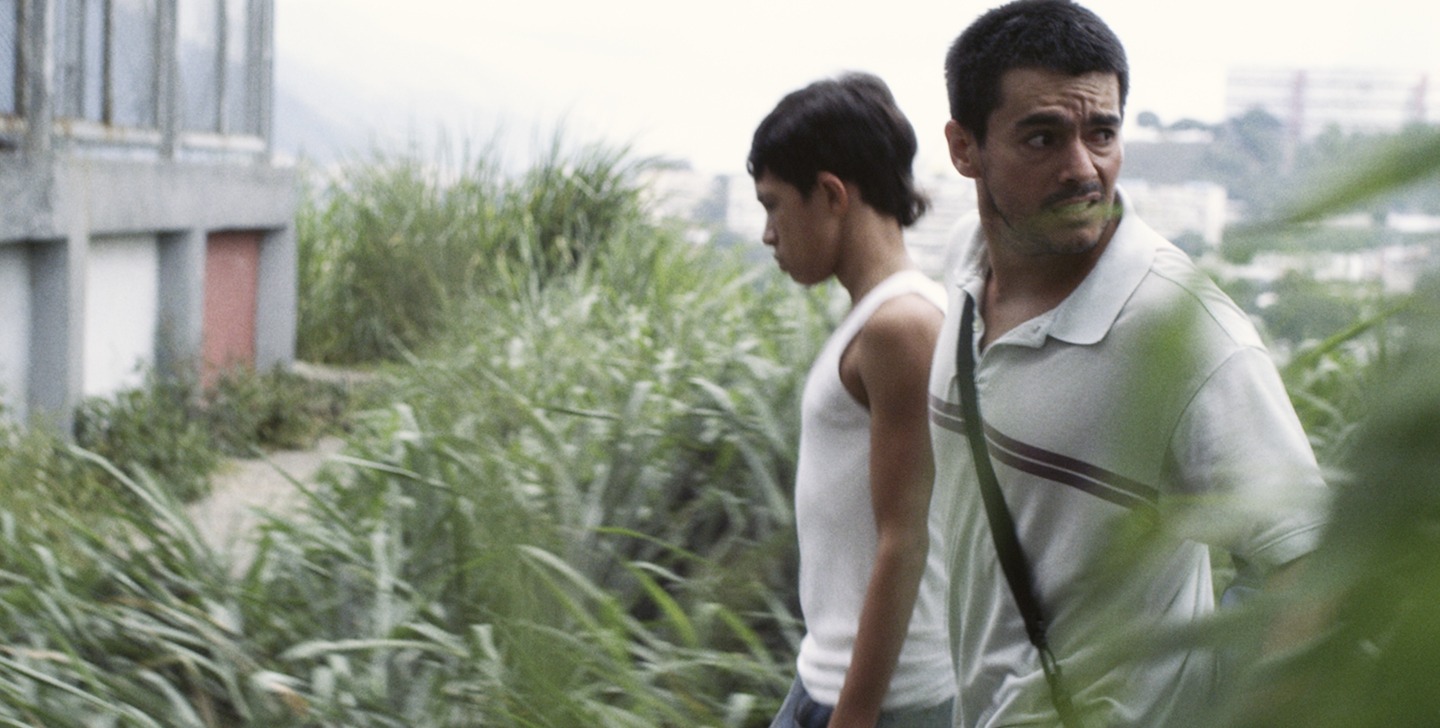
La Familia is a restrained yet powerful study of fatherhood, guilt, and survival.
After injuring another teen in a fight, a boy is forced by his father to flee through Caracas. The city feels like a looming presence — watchful, unpredictable.
The film speaks through silence, glances, and emotional collisions. There are no easy answers. Only two people trying to understand each other in the midst of crisis.
12. Yo, Imposible
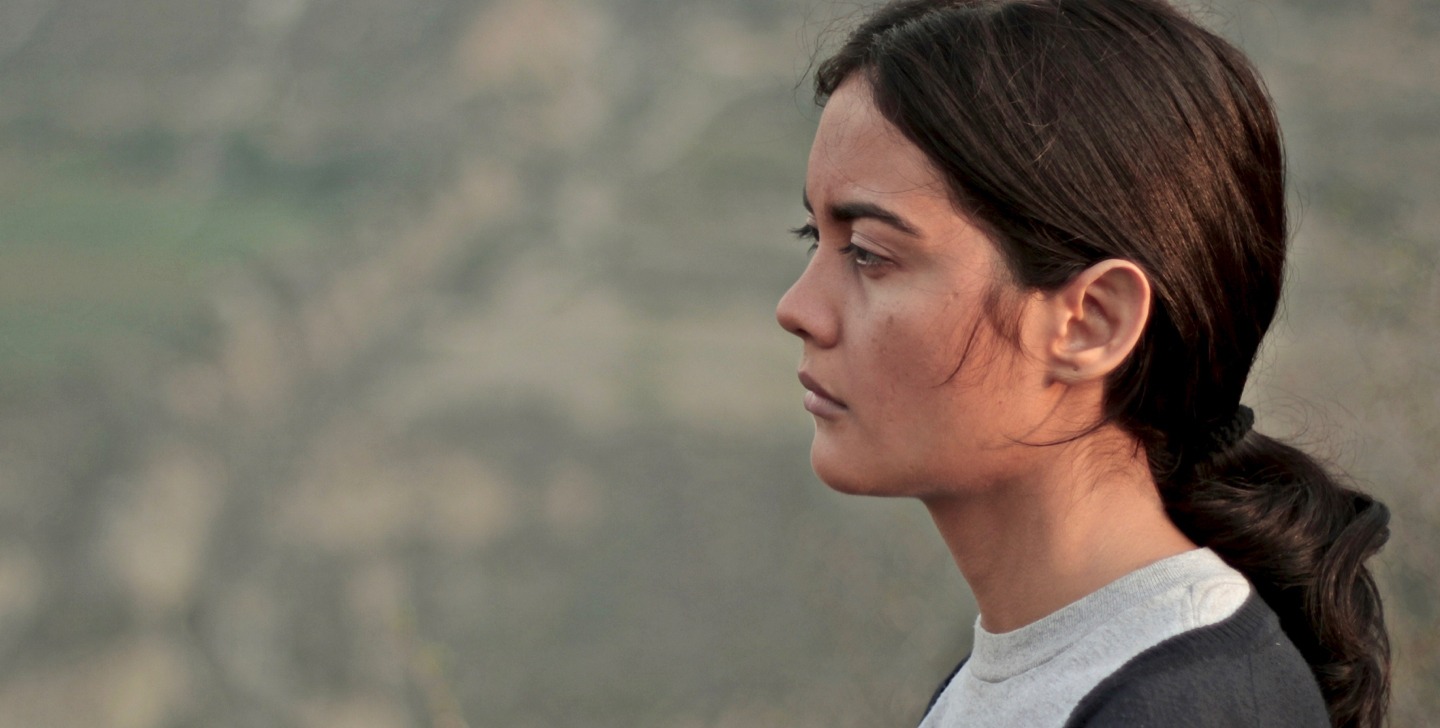
Yo, Imposible is not just another film about identity. It’s a delicate, courageous look at a young woman discovering that her body and identity don’t fit society’s expectations.
Ariel navigates work, love, and traditional gender norms while discovering she was born intersex.
There is no melodrama, no caricatured villains. Just real discomfort, internal confusion, and social resistance.
It’s a film that doesn’t just tell a story — it invites you into an internal conversation many are afraid to have.
Discover More Caribbean Cinema on FlixLatino
Caribbean cinema doesn’t need spectacle to stay with you. It needs truth. And that’s exactly what these films offer.
From Dominican prisons where love travels through silent gestures, to Havana apartments where friendship sustains the impossible; from immigration detention rooms that condense Latin American fear, to Caracas streets where identity is negotiated daily — these stories remind us that the Caribbean is far more than scenery.
Dominican, Cuban, Puerto Rican, and Venezuelan films don’t just tell local stories. They expand the contemporary Latin American cinematic conversation. They force us to look closely at what we often oversimplify.
Exploring these Caribbean cinema gems on FlixLatino isn’t just entertainment. It’s a way to engage with complex identities, diverse realities, and narratives that deserve more space on our screens.
The Dominican, Cuban, Puerto Rican, and Venezuelan films available on FlixLatino prove that Caribbean cinema is sophisticated, emotional, and deeply human.
There’s nothing “exotic” here. There is identity. There is truth.
Dominican Republic: Intensity, History, and Desire
Carpinteros
From its very first frame, Carpinteros makes one thing clear: it has no interest in romanticizing anything. The prison is not just a setting; it’s a living ecosystem with invisible rules that shape every movement. The metallic sound of gates, divided courtyards, monitored bodies — everything builds a constant sense of tension.
Julián is no traditional hero. He’s impulsive, contradictory, jealous. Yet when he discovers a clandestine sign language used between male and female prison pavilions, something shifts. This secret communication system — developed by inmates to defy physical separation — becomes profoundly human. In a place designed to erase individuality, communication becomes resistance.
The romance that develops with Yanelly is not sweet or idealized. It’s charged with structural violence, with jealousy that can cost lives, with internal codes the viewer gradually learns to understand. What makes the film powerful is its moral complexity: no one is fully innocent, no one entirely villainous.
Beyond forbidden love, Carpinteros explores desire as a vital necessity. In a space built to dehumanize, loving someone is proof that you still feel — that you still exist.
It’s Dominican cinema that doesn’t ask for permission, placing the island’s industry firmly on the international map with a raw, confident voice.
Watch Carpinteros on FlixLatino
2.Hotel Coppelia
In many historical films, major events take over the entire narrative. Not here. In Hotel Coppelia, the 1965 Dominican Civil War forms the backdrop, but the focus is on those rarely centered in history books: women.
The hotel becomes a microcosm of the country. Outside: gunfire and tanks. Inside: women negotiating survival within a system that has long treated them as commodities. The film explores fear, but also solidarity — the small networks of protection built in the midst of chaos.
There are moments where the camera lingers on subtle gestures: a trembling hand, a knowing glance, a silent decision. These quiet details speak louder than political speeches.
Visually, the film is elegant, almost painterly. Yet that beauty never softens the violence surrounding it. The contrast is deliberate: while the country redefines itself, these women struggle to redefine their own futures.
Hotel Coppelia doesn’t just reconstruct history. It reframes it through a deeply contemporary female lens.
3. En Tu Piel
On the surface, En Tu Piel seems simple: two lovers meeting secretly once a week. But that simplicity is precisely what gives it power.
The film dissects adult desire without moralizing. There are no clear villains — only people trapped between what they feel and what they believe they should feel. Each encounter becomes an emotional negotiation: Is this just sex? Is it love? Escape? Self-deception?
The narrative relies heavily on restrained performances. Pauses speak as loudly as dialogue. Silence after confession carries more weight than argument. The camera observes closely, almost cautiously, as if the viewer were inside the room trying not to be noticed.
It’s a film about the fragility of desire and the emotional strain of living a divided life. Proof that Dominican cinema doesn’t need massive budgets to create real tension.
Cuba: Social Poetry and Deep Humanity
4. Conducta
Conducta feels lived-in rather than performed.
Chala is a boy who learned to survive before he learned to trust. He grows up in a fragile environment, surrounded by adults who have already given up on many things. But his teacher, Carmela, insists on seeing beyond his school record.
The brilliance of the film lies in its refusal to idealize either character. Carmela isn’t perfect. Chala isn’t purely a victim. Both are human — tired, flawed, complex.
The critique of Cuba’s educational system is clear but never simplistic. Bureaucracy, labeling, institutional rigidity — they’re all present without heavy-handed speeches.
Some scenes hurt because they feel too real: tense faculty meetings, administrative decisions made without empathy, the constant fear of being misunderstood.
Conducta questions quietly. And that quietness makes its impact last.
5. El Acompañante
Set in the 1980s during the HIV crisis, El Acompañante explores one of the most delicate chapters in recent Cuban history.
Patients were sent to isolation centers and monitored by state-appointed companions. What could have been told as straightforward political indictment becomes something far more intimate.
A sanctioned boxer assigned to supervise a patient begins with prejudice and obligation. Gradually, forced coexistence reveals layers of shared humanity.
The film neither romanticizes nor caricatures the political context. Instead, it shows how public policy affects real bodies, real emotions.
Fear of contagion, social stigma, loneliness — all are present. But so is empathy, born when two people see beyond labels.
It’s a story about surveillance transforming into connection. About dignity surviving within rigid systems.
6.Últimos Días en La Habana
There’s something profoundly honest about this film. It doesn’t attempt to explain Cuba. It simply shows it.
Miguel dreams of leaving the country. Diego dreams of living long enough to celebrate another birthday. They share an apartment, frustrations, jokes, and small arguments that hide enormous affection.
Diego’s illness progresses, yet the film never becomes relentlessly tragic. There’s humor — even lightness — and that balance makes it feel real.
Havana appears as a silent character: peeling buildings, lively streets, balcony conversations. Not a tourist postcard — but a lived-in space.
Últimos Días en La Habana is about friendship as daily resistance. About loving someone even when you can’t save them. About loving a place even when you want to leave.
It’s Cuban cinema that understands the political is also intimate.
Watch Últimos Días en La Habana
Puerto Rico: Migration and Identity in Transition
7. El Cuartito
El Cuartito captures psychological urgency within a nearly unchanging space. Most of the story unfolds inside a small U.S. immigration detention room — not due to limitation, but because confinement is the most powerful metaphor available.
Four Latin American immigrants wait, each carrying fractured dreams, family fears, and uncertain futures.
The tension builds through interrupted conversations, long stares, heavy silences, and the persistent anxiety of not knowing what tomorrow brings.
This is migration stripped of spectacle. Caribbean identity here isn’t beaches — it’s the knot in your throat that won’t let you breathe.
8. Under My Nails
More than an erotic thriller, Under My Nails is an intimate psychological character study.
Solimar, a Puerto Rican nail salon worker in New York, watches others’ lives as closely as her own reflection. The film introduces voyeurism early — Solimar witnesses violence between neighbors, an event that lingers long after.
That violence evolves into complicated desire. Her relationship with Roberto becomes a dangerous dance between attraction and suspicion.
It’s not an easy film. It explores contradictory impulses — observation, desire, denial — and shows how longing can blur moral clarity.
9.A Punto de Llegar
A Punto de Llegar feels like a 3 a.m. conversation about love, failure, and what it truly means to get close to someone.
The film unfolds in ordinary spaces — apartments, cafés, city hallways — that become landscapes of vulnerability and hesitation.
There are no explosive twists. Everything happens in nuance. In pauses heavier than shouting.
It explores how two people can be physically close yet emotionally distant — how “almost” can hurt as much as definitive endings.
Venezuela: Realism and Narrative Courage
10. Pelo Malo
Winner of the Golden Shell at the San Sebastián Film Festival, Pelo Malo seems simple at first — until it stays with you long after.
Nine-year-old Junior wants to straighten his hair for his school photo. That small wish triggers tension with his mother, who interprets it as a threat to social expectations around masculinity.
The film opens conversations about race, gender norms, stigma, and identity in contemporary Venezuela.
Junior’s hair becomes a symbol — of aspiration, of self-expression, of rejection.
It’s social cinema with heart, edge, and truth.
11. La Familia
La Familia is a restrained yet powerful study of fatherhood, guilt, and survival.
After injuring another teen in a fight, a boy is forced by his father to flee through Caracas. The city feels like a looming presence — watchful, unpredictable.
The film speaks through silence, glances, and emotional collisions. There are no easy answers. Only two people trying to understand each other in the midst of crisis.
12. Yo, Imposible
Yo, Imposible is not just another film about identity. It’s a delicate, courageous look at a young woman discovering that her body and identity don’t fit society’s expectations.
Ariel navigates work, love, and traditional gender norms while discovering she was born intersex.
There is no melodrama, no caricatured villains. Just real discomfort, internal confusion, and social resistance.
It’s a film that doesn’t just tell a story — it invites you into an internal conversation many are afraid to have.
Discover More Caribbean Cinema on FlixLatino
Caribbean cinema doesn’t need spectacle to stay with you. It needs truth. And that’s exactly what these films offer.
From Dominican prisons where love travels through silent gestures, to Havana apartments where friendship sustains the impossible; from immigration detention rooms that condense Latin American fear, to Caracas streets where identity is negotiated daily — these stories remind us that the Caribbean is far more than scenery.
Dominican, Cuban, Puerto Rican, and Venezuelan films don’t just tell local stories. They expand the contemporary Latin American cinematic conversation. They force us to look closely at what we often oversimplify.
Exploring these Caribbean cinema gems on FlixLatino isn’t just entertainment. It’s a way to engage with complex identities, diverse realities, and narratives that deserve more space on our screens.


.avif)











.avif)