
In cinema, not every great story gets the attention it deserves. Some films are released with little promotion, others are overshadowed by major productions, and many simply arrive too early or too late for the cultural moment in which they appear.
But that doesn’t mean they aren’t worth watching.
Spanish-language cinema is full of incredible hidden gems that many audiences never had the chance to discover. These films feature memorable performances, powerful storytelling, and unique perspectives on life across different Spanish-speaking countries.
From intense Caribbean dramas to deeply human social portraits, these movies prove that sometimes the best stories are the ones we discover by chance.
Here are several Spanish-language films that may not have been major commercial hits but are absolutely worth watching.
Carpinteros
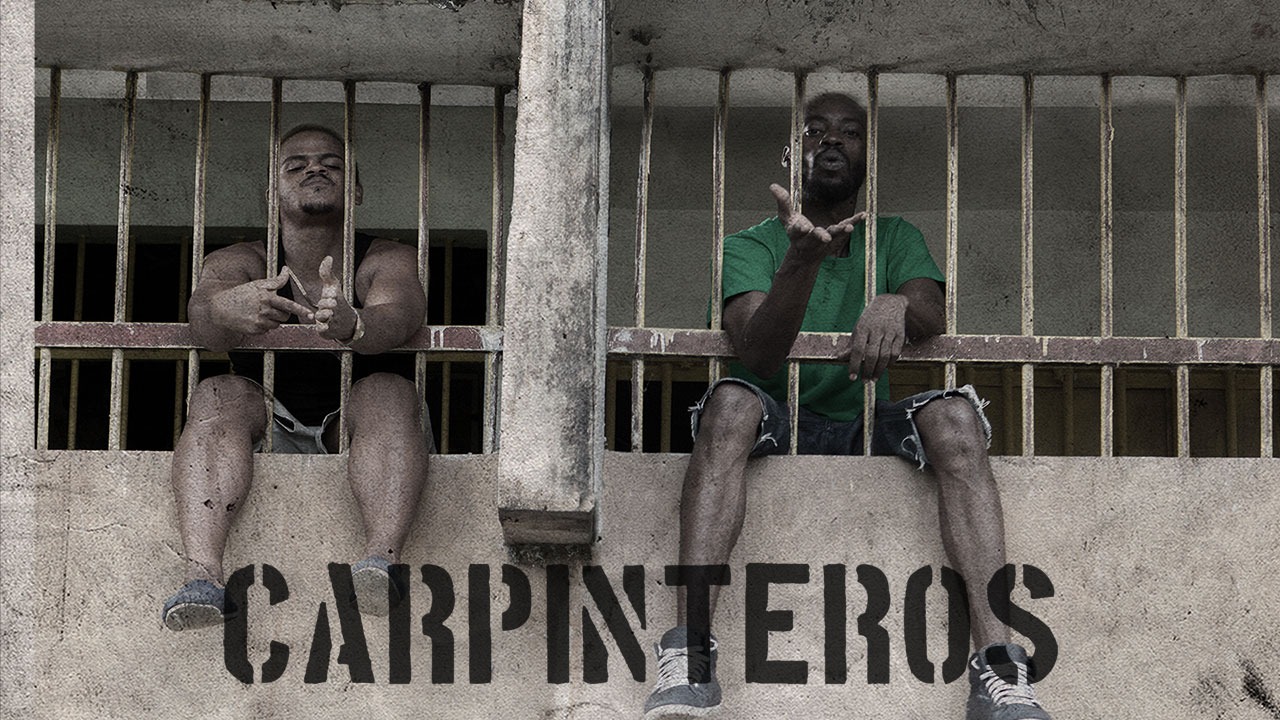
Few films manage to feel as raw and deeply human at the same time as Carpinteros. Directed by José María Cabral, this story takes place inside a Dominican prison where inmates communicate between cells using an improvised sign language system known as “carpinteo.”
In the middle of this harsh and violent environment, an unexpected love story emerges between Julián and Yanelly, a woman imprisoned in the female section of the facility.
What makes the film particularly powerful is its realism. Many of the actors are non-professionals, which adds a striking level of authenticity to the performances and the overall atmosphere.
Rather than romanticizing prison life, Carpinteros offers an honest look at survival, dignity, and the human need for connection even in the harshest conditions.
It is one of the most impactful Dominican films of the past decade, yet many viewers outside the Caribbean have never heard of it.
Watch Carpinteros on FlixLatino
Pelo Malo
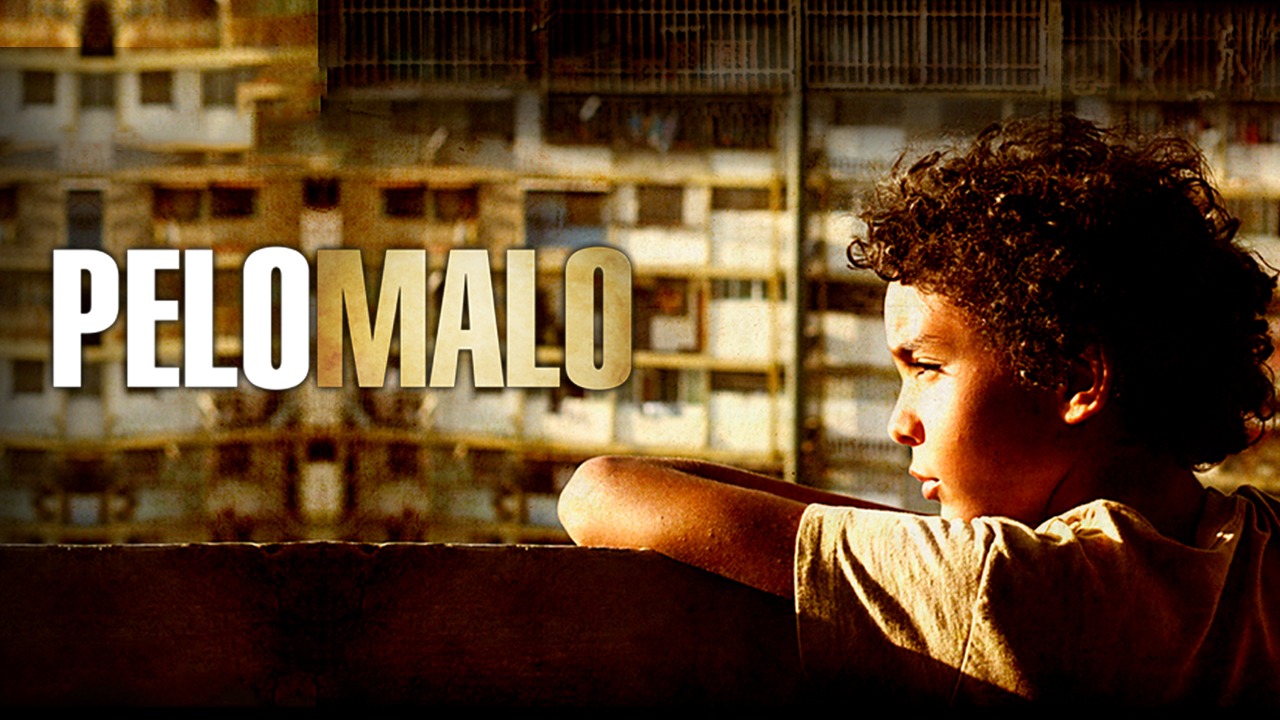
Winner of the Golden Shell at the San Sebastián International Film Festival, Pelo Malo is a small film in scale but enormous in emotional depth.
The story follows Junior, a nine-year-old boy living with his mother in a working-class housing complex in Caracas. Junior dreams of straightening his hair so he can resemble the pop singers he sees on television, something that creates growing tension between him and his mother.
Through this seemingly simple conflict, the film explores complex themes such as identity, prejudice, and cultural expectations around masculinity.
Director Mariana Rondón builds an intimate narrative that avoids heavy-handed messaging. Instead, the film quietly observes how its characters navigate a social environment filled with pressures and judgments.
The result is a deeply moving film that invites viewers to reflect on how identity begins to form during childhood.
Although widely praised by critics, Pelo Malo remains relatively unknown to many audiences.
Hotel Coppelia

Set during the Dominican Revolution of 1965, Hotel Coppelia takes viewers inside a brothel in Santo Domingo where several sex workers live and work.
When armed conflict erupts in the streets, the women become trapped inside the hotel as political chaos unfolds outside. The hotel quickly turns into a microcosm of Dominican society during a moment of national crisis.
Rather than focusing on military leaders or political strategy, the film centers on the personal stories of the women inside the building. Each character responds to the confinement in different ways: some focus on survival, others attempt escape, while some begin rethinking their futures.
This human-centered perspective is what makes Hotel Coppelia stand out among historical films from Latin America. Instead of telling history from positions of power, the story is told from the margins.
Visually, the film also stands out. The hotel itself becomes a tense and symbolic space, where every hallway, room, and window reminds the characters that the world outside is rapidly changing.
Despite its ambitious storytelling and historical subject matter, Hotel Coppelia did not receive the wide international distribution that many larger productions enjoy. As a result, many viewers outside the Caribbean never discovered it.
Watch Hotel Coppelia on FlixLatino
Julia Tiene Sugar

Stories about illness often focus exclusively on medical drama, but Julia Tiene Sugar takes a very different approach.
The film follows Julia, a Dominican woman living with diabetes as she tries to balance her health, career, family responsibilities, and personal life. Throughout the story, we see how the condition influences her daily decisions, from what she eats to how she manages relationships.
What makes the film particularly compelling is that Julia is never reduced to her diagnosis. Instead, she is portrayed as a complex individual with ambitions, frustrations, and dreams like anyone else.
The movie also stands out for its warm and human tone. Through moments of humor, tenderness, and vulnerability, it captures how chronic illnesses affect the everyday lives of millions of people without falling into melodrama.
At the same time, the film offers a rare glimpse into urban life in Santo Domingo, highlighting the family and social dynamics surrounding its main character.
Despite its thoughtful storytelling and strong performances, Julia Tiene Sugar never received wide international distribution, which meant many viewers never had the chance to discover it.
Still, it remains a unique and deeply human film within Latin American cinema.
Watch Julia Tiene Sugar on FlixLatino
42 Segundos

Sports films often focus on epic victories and triumphant endings, but 42 Segundos takes a more human approach.
The film tells the story of Spain’s national water polo team as they prepared to compete in the 1992 Barcelona Olympic Games. While the event ultimately became one of the most memorable moments in Spanish sports history, the film focuses on the difficult journey that led the team there.
The title refers to the final 42 seconds of the Olympic final, a moment filled with tension that represents years of sacrifice, discipline, and pressure.
Throughout the film, we see the players endure grueling training sessions, internal conflicts within the team, and the immense expectations that surrounded the Olympics being hosted in their home country.
Beyond sports, 42 Segundos becomes a story about leadership, resilience, and teamwork. It shows how the pursuit of excellence can produce both extraordinary achievements and intense personal tensions.
Although the film received positive reviews in Spain, it did not gain the same international visibility as many commercial sports movies, making it another hidden gem waiting to be discovered.
Watch 42 Segundos on FlixLatino
Siete Semillas
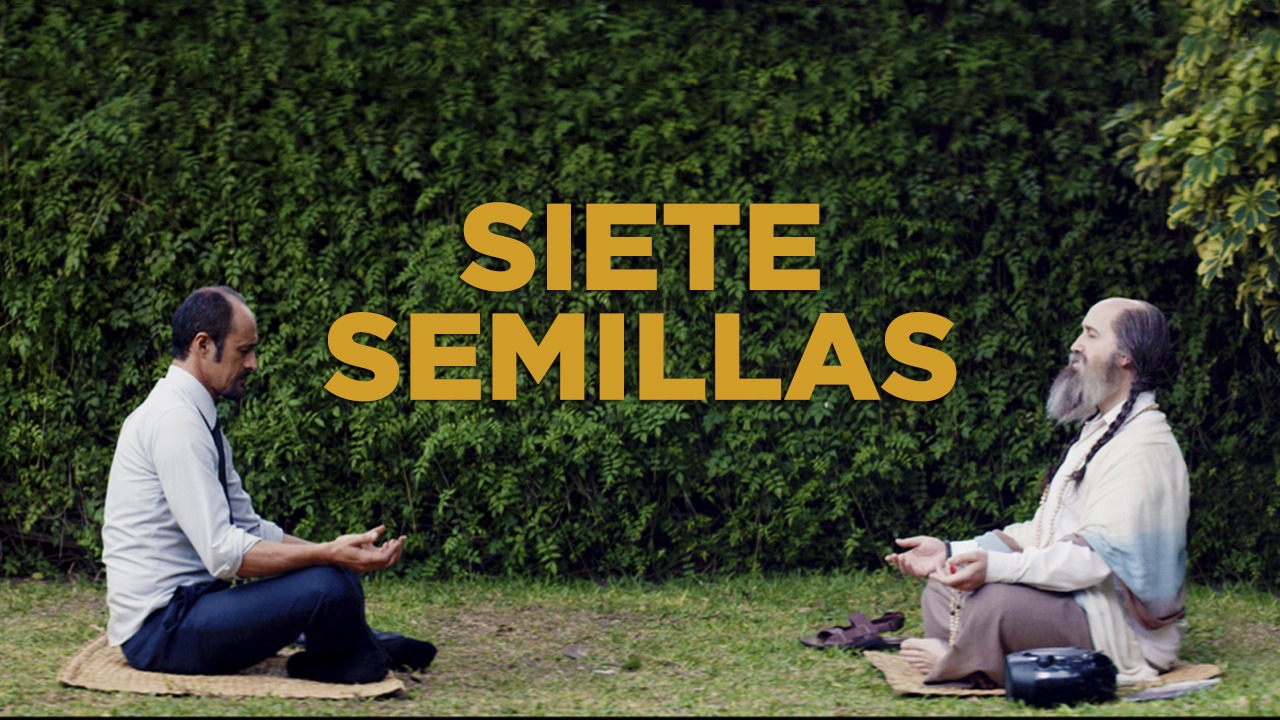
At first glance, Siete Semillas appears to be a story about business. In reality, it is a film about success, pressure, and the true meaning of happiness.
The story follows Ignacio, a successful executive whose life seems perfect from the outside. He has a stable career, financial security, and a supportive family. However, when a series of personal and professional challenges begin to pile up, Ignacio is forced to question the lifestyle he has built.
During this difficult moment, he meets a mysterious mentor who introduces him to a philosophy based on seven fundamental principles known as the “seven seeds.” Each represents a different value that can help transform how people approach work, relationships, and purpose.
As Ignacio attempts to apply these ideas to his everyday life, he begins a process of self-reflection that pushes him to reconsider his priorities.
The film blends personal drama with reflections on the balance between professional success and emotional well-being. Its message about personal growth resonates strongly with viewers who have felt trapped by the pressures of modern success.
Although the film was well received in Peru, Siete Semillas never achieved wide international distribution, meaning many audiences never had the chance to discover it.
Watch Siete Semillas on FlixLatino
Discovering Hidden Gems in Spanish-Language Cinema
Spanish-language cinema is incredibly diverse. Each country brings its own stories, narrative styles, and cultural perspectives to the screen. Yet many of these films never receive the international visibility they deserve.
That means countless hidden gems are still waiting to be discovered.
Movies like Carpinteros, Pelo Malo, and 42 Segundos show that Latin American and Spanish cinema continues to produce deeply human stories capable of connecting with audiences everywhere.
Exploring these films is also a way to discover new perspectives on society, identity, and the experiences that shape life across the Spanish-speaking world.
If you enjoy films that surprise you, move you emotionally, and offer something different from mainstream formulas, these overlooked Spanish-language movies might become some of your favorite discoveries.
And the best part is that many of them are just a click away for anyone ready to explore the best of Spanish-language cinema.
Start your free trial on FlixLatino and begin discovering these hidden gems today.
But that doesn’t mean they aren’t worth watching.
Spanish-language cinema is full of incredible hidden gems that many audiences never had the chance to discover. These films feature memorable performances, powerful storytelling, and unique perspectives on life across different Spanish-speaking countries.
From intense Caribbean dramas to deeply human social portraits, these movies prove that sometimes the best stories are the ones we discover by chance.
Here are several Spanish-language films that may not have been major commercial hits but are absolutely worth watching.
Carpinteros
Few films manage to feel as raw and deeply human at the same time as Carpinteros. Directed by José María Cabral, this story takes place inside a Dominican prison where inmates communicate between cells using an improvised sign language system known as “carpinteo.”
In the middle of this harsh and violent environment, an unexpected love story emerges between Julián and Yanelly, a woman imprisoned in the female section of the facility.
What makes the film particularly powerful is its realism. Many of the actors are non-professionals, which adds a striking level of authenticity to the performances and the overall atmosphere.
Rather than romanticizing prison life, Carpinteros offers an honest look at survival, dignity, and the human need for connection even in the harshest conditions.
It is one of the most impactful Dominican films of the past decade, yet many viewers outside the Caribbean have never heard of it.
Watch Carpinteros on FlixLatino
Pelo Malo
Winner of the Golden Shell at the San Sebastián International Film Festival, Pelo Malo is a small film in scale but enormous in emotional depth.
The story follows Junior, a nine-year-old boy living with his mother in a working-class housing complex in Caracas. Junior dreams of straightening his hair so he can resemble the pop singers he sees on television, something that creates growing tension between him and his mother.
Through this seemingly simple conflict, the film explores complex themes such as identity, prejudice, and cultural expectations around masculinity.
Director Mariana Rondón builds an intimate narrative that avoids heavy-handed messaging. Instead, the film quietly observes how its characters navigate a social environment filled with pressures and judgments.
The result is a deeply moving film that invites viewers to reflect on how identity begins to form during childhood.
Although widely praised by critics, Pelo Malo remains relatively unknown to many audiences.
Hotel Coppelia
Set during the Dominican Revolution of 1965, Hotel Coppelia takes viewers inside a brothel in Santo Domingo where several sex workers live and work.
When armed conflict erupts in the streets, the women become trapped inside the hotel as political chaos unfolds outside. The hotel quickly turns into a microcosm of Dominican society during a moment of national crisis.
Rather than focusing on military leaders or political strategy, the film centers on the personal stories of the women inside the building. Each character responds to the confinement in different ways: some focus on survival, others attempt escape, while some begin rethinking their futures.
This human-centered perspective is what makes Hotel Coppelia stand out among historical films from Latin America. Instead of telling history from positions of power, the story is told from the margins.
Visually, the film also stands out. The hotel itself becomes a tense and symbolic space, where every hallway, room, and window reminds the characters that the world outside is rapidly changing.
Despite its ambitious storytelling and historical subject matter, Hotel Coppelia did not receive the wide international distribution that many larger productions enjoy. As a result, many viewers outside the Caribbean never discovered it.
Watch Hotel Coppelia on FlixLatino
Julia Tiene Sugar
Stories about illness often focus exclusively on medical drama, but Julia Tiene Sugar takes a very different approach.
The film follows Julia, a Dominican woman living with diabetes as she tries to balance her health, career, family responsibilities, and personal life. Throughout the story, we see how the condition influences her daily decisions, from what she eats to how she manages relationships.
What makes the film particularly compelling is that Julia is never reduced to her diagnosis. Instead, she is portrayed as a complex individual with ambitions, frustrations, and dreams like anyone else.
The movie also stands out for its warm and human tone. Through moments of humor, tenderness, and vulnerability, it captures how chronic illnesses affect the everyday lives of millions of people without falling into melodrama.
At the same time, the film offers a rare glimpse into urban life in Santo Domingo, highlighting the family and social dynamics surrounding its main character.
Despite its thoughtful storytelling and strong performances, Julia Tiene Sugar never received wide international distribution, which meant many viewers never had the chance to discover it.
Still, it remains a unique and deeply human film within Latin American cinema.
Watch Julia Tiene Sugar on FlixLatino
42 Segundos
Sports films often focus on epic victories and triumphant endings, but 42 Segundos takes a more human approach.
The film tells the story of Spain’s national water polo team as they prepared to compete in the 1992 Barcelona Olympic Games. While the event ultimately became one of the most memorable moments in Spanish sports history, the film focuses on the difficult journey that led the team there.
The title refers to the final 42 seconds of the Olympic final, a moment filled with tension that represents years of sacrifice, discipline, and pressure.
Throughout the film, we see the players endure grueling training sessions, internal conflicts within the team, and the immense expectations that surrounded the Olympics being hosted in their home country.
Beyond sports, 42 Segundos becomes a story about leadership, resilience, and teamwork. It shows how the pursuit of excellence can produce both extraordinary achievements and intense personal tensions.
Although the film received positive reviews in Spain, it did not gain the same international visibility as many commercial sports movies, making it another hidden gem waiting to be discovered.
Watch 42 Segundos on FlixLatino
Siete Semillas
At first glance, Siete Semillas appears to be a story about business. In reality, it is a film about success, pressure, and the true meaning of happiness.
The story follows Ignacio, a successful executive whose life seems perfect from the outside. He has a stable career, financial security, and a supportive family. However, when a series of personal and professional challenges begin to pile up, Ignacio is forced to question the lifestyle he has built.
During this difficult moment, he meets a mysterious mentor who introduces him to a philosophy based on seven fundamental principles known as the “seven seeds.” Each represents a different value that can help transform how people approach work, relationships, and purpose.
As Ignacio attempts to apply these ideas to his everyday life, he begins a process of self-reflection that pushes him to reconsider his priorities.
The film blends personal drama with reflections on the balance between professional success and emotional well-being. Its message about personal growth resonates strongly with viewers who have felt trapped by the pressures of modern success.
Although the film was well received in Peru, Siete Semillas never achieved wide international distribution, meaning many audiences never had the chance to discover it.
Watch Siete Semillas on FlixLatino
Discovering Hidden Gems in Spanish-Language Cinema
Spanish-language cinema is incredibly diverse. Each country brings its own stories, narrative styles, and cultural perspectives to the screen. Yet many of these films never receive the international visibility they deserve.
That means countless hidden gems are still waiting to be discovered.
Movies like Carpinteros, Pelo Malo, and 42 Segundos show that Latin American and Spanish cinema continues to produce deeply human stories capable of connecting with audiences everywhere.
Exploring these films is also a way to discover new perspectives on society, identity, and the experiences that shape life across the Spanish-speaking world.
If you enjoy films that surprise you, move you emotionally, and offer something different from mainstream formulas, these overlooked Spanish-language movies might become some of your favorite discoveries.
And the best part is that many of them are just a click away for anyone ready to explore the best of Spanish-language cinema.
Start your free trial on FlixLatino and begin discovering these hidden gems today.

.avif)










.avif)