
Peruvian cinema has undergone a remarkable transformation in recent decades. What was once a small industry with limited production has grown into a vibrant creative space where popular comedies, intense dramas, political thrillers, and films that explore the country’s social complexities all coexist. Today, many Peruvian movies not only connect with local audiences but have also gained recognition at international festivals and film circuits.
Part of the appeal of Peruvian cinema lies in its diversity. Some stories unfold in the fast-paced environment of Lima, portraying the tensions of modern urban life, while others take viewers to rural regions where traditions, history, and cultural identity still shape everyday experiences. Through these settings, Peruvian films explore themes such as historical memory, social inequality, love, family, and the moral decisions that shape people’s lives.
In this list, we highlight several gems of Peruvian cinema, combining contemporary films that showcase the industry’s current talent with classics that helped define the direction of filmmaking in Peru. Together, these stories offer a fascinating window into one of the most interesting and diverse film industries in Latin America.
La Deuda

In La Deuda, Peruvian cinema explores one of the most universal and deeply human conflicts: the weight of our decisions and the consequences that can follow us for years. The film builds its story around a moral dilemma that forces its characters to confront their past, their responsibilities, and the limits of what they are willing to do to protect themselves or the people they care about.
As the story unfolds, La Deuda develops a constant emotional tension. Rather than relying on dramatic twists, the film is driven by the internal conflict of its characters and the way their choices affect those around them. This approach turns the narrative into a psychological drama where every decision carries real consequences, revealing the fragility and contradictions of human nature.
One of the most compelling elements of the film is the way it explores guilt and responsibility. The debts at the center of the story are not only financial, but also emotional and moral. Through its characters, the film raises uncomfortable questions: How responsible are we for the outcomes of our actions? Is it ever truly possible to escape the mistakes of the past?
With its intimate and reflective storytelling, La Deuda stands as part of a generation of Peruvian films that use personal stories to examine universal themes. It is a drama that invites viewers to reflect on the choices we make and the consequences they leave behind.
Magallanes
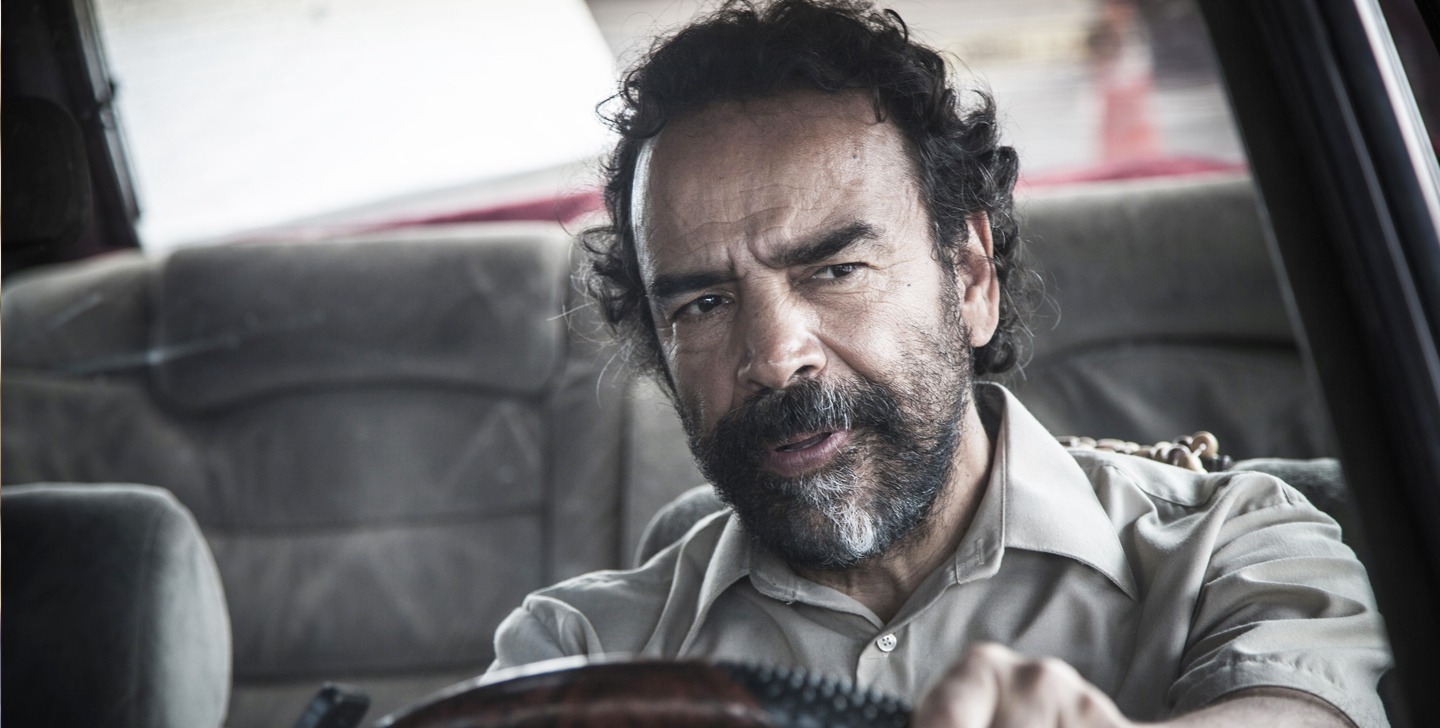
Magallanes is one of the most internationally recognized films of contemporary Peruvian cinema and a powerful example of how film can explore the lingering wounds of history. The story follows Harvey Magallanes, a former soldier who now works as a taxi driver in Lima. His seemingly quiet life is disrupted when he unexpectedly encounters a woman connected to his past during the years of Peru’s internal conflict in the 1980s and 1990s.
From that moment, the film becomes an intimate portrait of memory, guilt, and the lasting consequences of violence. Rather than recreating the conflict on a large scale, Magallanes focuses on how those events continue to shape the lives of those who experienced them. The protagonist attempts to find a path toward redemption, but soon discovers that confronting the past can be far more complicated than he imagined.
One of the film’s greatest strengths is its restrained and deeply human tone. Instead of relying on dramatic spectacle, the story unfolds through quiet moments, meaningful silences, and difficult decisions that reveal the emotional weight carried by its characters. This sensitivity transforms Magallanes into a powerful drama about individual responsibility and the search for justice.
With its strong storytelling and memorable performances, the film has established itself as one of the most important works of recent Peruvian cinema.
Watch Magallanes on FlixLatino
3. El Evangelio de la Carne

El Evangelio de la Carne is an intense urban thriller that offers a raw and realistic look at the social tensions running through the city of Lima. The film interweaves the stories of three very different characters whose lives eventually intersect under desperate circumstances: a police officer who needs money to save his sick wife, a driver caught in the world of illegal gambling, and a young man connected to a dangerous soccer fan group.
Through these parallel stories, the film builds a complex portrait of a city where moral choices are rarely simple. Each character faces situations that push them closer to their limits, forcing them to choose between what is right and what feels necessary to survive. The result is a tense drama that reveals how social, economic, and emotional pressures can alter the course of a person’s life.
One of the most compelling aspects of El Evangelio de la Carne is its portrayal of contemporary Lima. The city becomes almost a character in itself, reflecting its contrasts, inequalities, and the everyday chaos experienced by millions of people.
With a dynamic narrative and deeply human characters, the film stands out as one of the most impactful thrillers in recent Peruvian cinema.
Watch El Evangelio de la Carne on FlixLatino
4. Rapto

Rapto is a political thriller inspired by one of the most shocking criminal cases in Peru during the 1980s. The film follows a young man whose life changes dramatically when his father, an influential businessman in Lima, is kidnapped. What begins as a desperate attempt to negotiate his release soon becomes an experience that exposes the political and social tensions of a country marked by violence and uncertainty.
Set during a period when Peru was facing deep political instability and the rise of armed groups, Rapto uses the kidnapping story to explore the atmosphere of fear that dominated the country at the time. Through the perspective of the protagonist, the film shows how a privileged family is suddenly forced to confront a much more complex reality than they had ever imagined.
Beyond the suspense typical of a thriller, the film also serves as a portrait of Peru during that decade. The characters’ decisions are shaped by political pressure, media attention, and the desperation that comes with an extreme situation.
With its tense pacing and gripping narrative, Rapto demonstrates how Peruvian cinema can blend historical context with personal stories to create films that are both suspenseful and thought-provoking.
5. Climas
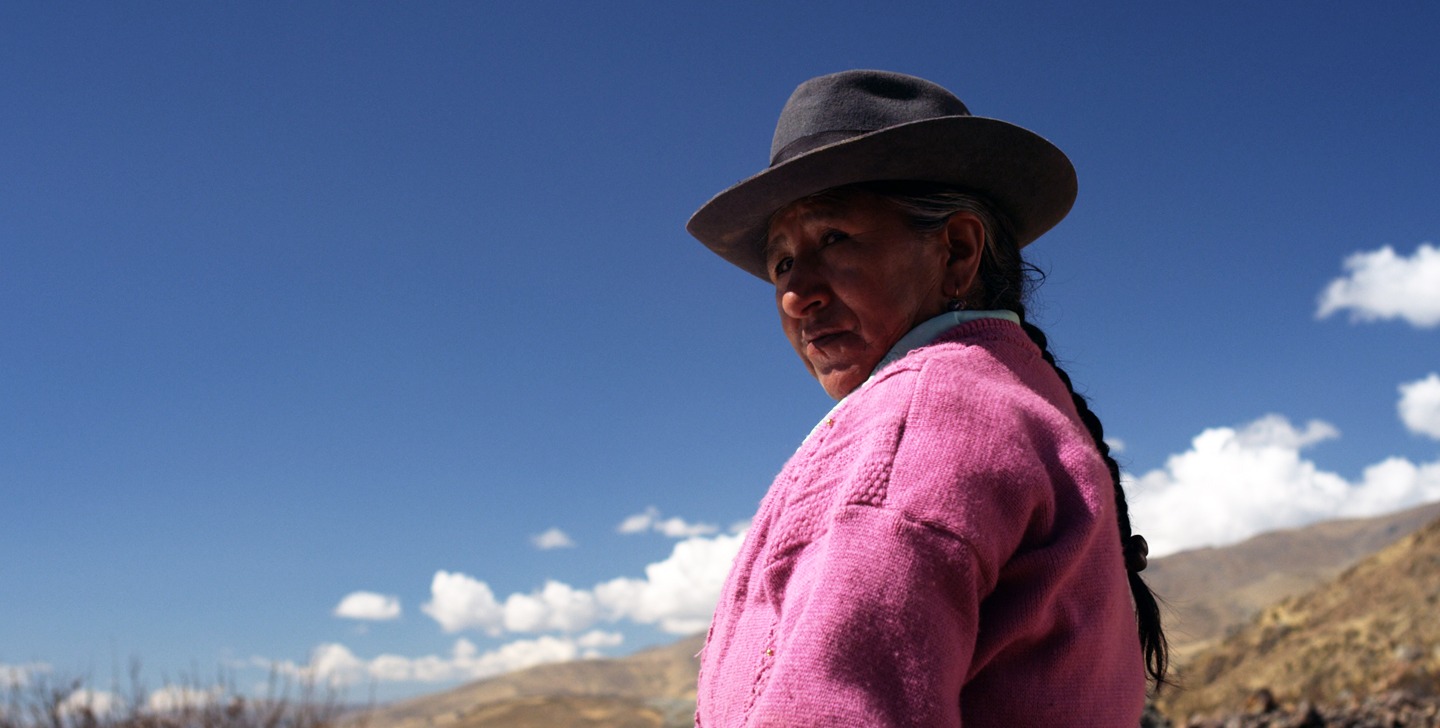
Climas explores the diverse social and cultural realities of Peru through three stories centered on women living in very different regions of the country. Each narrative unfolds in a distinct environment — the coast, the Andes, and the Amazon — showing how geography, culture, and social expectations shape the lives and experiences of the characters.
Throughout the film, we meet three women who are each navigating moments of personal change. Although their stories are not directly connected, each one reveals emotional and social tensions that are part of everyday life in Peru. From family pressures to questions of independence, love, and identity, the protagonists face situations that highlight both vulnerability and resilience.
One of the film’s most distinctive elements is its visual approach to the country’s landscapes. The settings are not simply backgrounds for the stories but play an important role in defining their emotional tone. The contrasts between the regions emphasize the idea that Peru is a deeply diverse country, where cultural and social realities can vary dramatically from one place to another.
With its thoughtful storytelling and intimate character portraits, Climas offers a reflective look at the experiences of women and the many identities that coexist within contemporary Peru.
6. The Milk of Sorrow
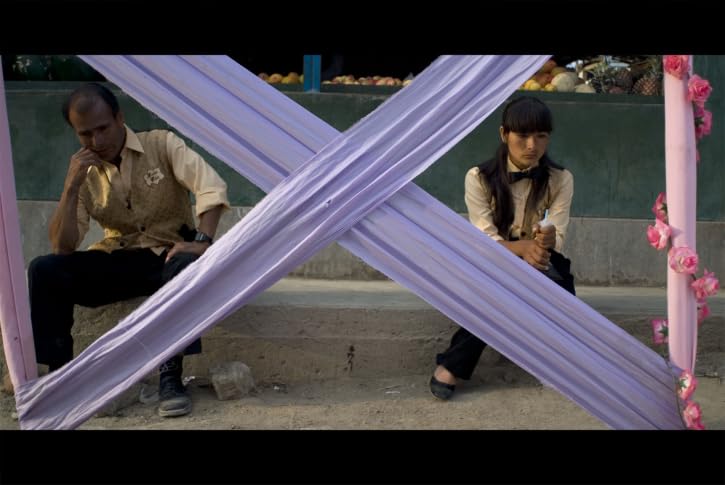
The Milk of Sorrow is one of the most internationally recognized films in the history of Peruvian cinema and a powerful example of how film can confront the lingering effects of historical trauma. Directed by Claudia Llosa, the story follows Fausta, a young woman who lives with a deep fear inherited from the violence her mother suffered during Peru’s years of internal conflict. According to a local belief, that trauma can be passed down through a mother’s breast milk, an idea that gives the film its title and serves as a powerful metaphor for inherited pain.
The film takes place in Lima and follows Fausta as she tries to navigate the outside world while living with that constant fear. Her life begins to change when she starts working for a wealthy woman, forcing her to leave the safety of her familiar surroundings and slowly confront the anxieties that have defined her life.
One of the film’s greatest strengths is its ability to blend realism with symbolism. Through poetic imagery, music, and quiet moments, the story communicates deep emotional truths without relying on conventional dramatic storytelling. Fausta’s journey becomes a reflection on how the scars of violence can continue to shape the lives of future generations.
Winner of the Golden Bear at the Berlin International Film Festival, the film helped bring global attention to contemporary Peruvian cinema.
7. Madeinusa

Madeinusa, also directed by Claudia Llosa, is one of the most distinctive and provocative films in contemporary Peruvian cinema. Set in a fictional Andean village, the story follows Madeinusa, a young woman living under the strict traditions and expectations of her isolated community. Every year during Holy Week, the town enters a period known as “Tiempo Santo,” a time when it is believed that God has died and, for those few days, sins no longer exist.
This unusual belief creates an unsettling atmosphere in which the community temporarily suspends its normal moral boundaries. Into this world arrives a young man from Lima whose presence disrupts the fragile balance of the village. His arrival sparks tensions, desires, and secrets that begin to surface among the residents.
Through Madeinusa’s perspective, the film explores themes of power, tradition, and the desire for personal freedom. The protagonist dreams of escaping the limits imposed by her environment, and her story reflects the broader tensions between rural traditions and the possibilities of life beyond them.
With its striking visuals and slow, deliberate pacing, Madeinusa offers a complex portrait of life in the Peruvian Andes. The film sparked debate after its release, but it also helped bring renewed international attention to the emerging voices of Peruvian cinema.
8. The Lion’s Den
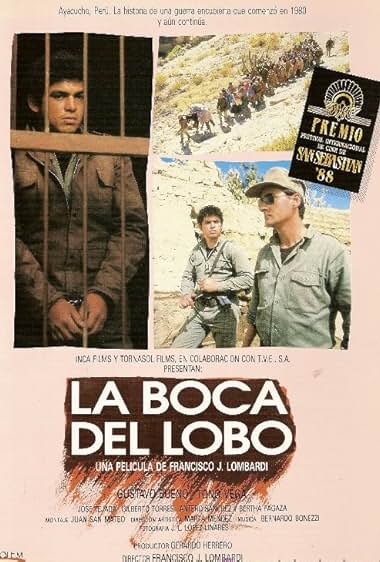
The Lion’s Den (La boca del lobo) is widely considered one of the most important films in the history of Peruvian cinema. Directed by Francisco Lombardi, the film explores one of the darkest periods in the country’s recent past: the internal armed conflict between the Peruvian military and the guerrilla group Sendero Luminoso during the 1980s.
The story follows a group of soldiers sent to a remote Andean village to suppress insurgent activity. At first, the mission appears to be a straightforward effort to restore order. However, as tensions grow between the soldiers and the local community, the situation begins to spiral into violence and mistrust. Through the perspective of a young soldier, the film reveals how fear, authority, and isolation can gradually erode moral boundaries.
Rather than presenting a simple narrative of heroes and villains, La boca del lobo portrays the conflict with moral complexity. The film examines how violence affects everyone involved, from the soldiers struggling with their role in the conflict to the civilians caught in the middle.
With its powerful storytelling and stark depiction of war’s psychological toll, the film became a landmark of political cinema in Latin America and remains a defining work of Peruvian filmmaking.
9. Juliana

Juliana is one of the most beloved and influential films in the history of Peruvian cinema. Directed by the filmmaking collective Grupo Chaski, the film tells the story of a young girl who escapes an abusive home and disguises herself as a boy in order to survive on the streets of Lima. Under the name “Julian,” she joins a group of children who sing on public buses to earn money, navigating together the harsh realities of life in the city.
Through this story, the film offers a moving portrayal of childhood in the face of poverty and abandonment. However, Juliana goes beyond depicting hardship. The film also highlights the solidarity, humor, and resilience of the children as they support each other and build their own sense of community. Their group becomes a kind of improvised family that helps them face the dangers and uncertainties of street life.
One of the film’s most powerful qualities is its deeply human perspective. Rather than portraying its characters solely as victims, Juliana gives them agency, dreams, and personality. The children’s determination and creativity make the story both heartbreaking and inspiring.
Over the years, Juliana has become a classic of Latin American cinema and an important cultural reference in Peru, capturing a vivid portrait of urban life at the end of the twentieth century.
Discover More Latin American Cinema on FlixLatino
Peruvian cinema represents just one part of the rich and diverse world of Latin American filmmaking. Across the region, filmmakers have created stories that reflect the cultures, histories, and social realities of their countries. From intimate dramas to political thrillers and heartfelt comedies, Latin American films continue to gain international recognition for their originality and powerful storytelling.
Peruvian films, in particular, stand out for their ability to combine deeply personal narratives with broader social themes. Many of them explore topics such as historical memory, cultural identity, inequality, and family relationships, offering audiences a deeper understanding of the experiences that shape life in Peru. At the same time, these stories resonate far beyond the country’s borders because they touch on universal human experiences like resilience, justice, and hope.
If you’re interested in discovering more stories like these, FlixLatino offers a wide selection of movies and series from across Latin America. It’s a place where audiences can explore powerful films, discover new filmmakers, and experience the many voices that define Latin American cinema.
Part of the appeal of Peruvian cinema lies in its diversity. Some stories unfold in the fast-paced environment of Lima, portraying the tensions of modern urban life, while others take viewers to rural regions where traditions, history, and cultural identity still shape everyday experiences. Through these settings, Peruvian films explore themes such as historical memory, social inequality, love, family, and the moral decisions that shape people’s lives.
In this list, we highlight several gems of Peruvian cinema, combining contemporary films that showcase the industry’s current talent with classics that helped define the direction of filmmaking in Peru. Together, these stories offer a fascinating window into one of the most interesting and diverse film industries in Latin America.
La Deuda
In La Deuda, Peruvian cinema explores one of the most universal and deeply human conflicts: the weight of our decisions and the consequences that can follow us for years. The film builds its story around a moral dilemma that forces its characters to confront their past, their responsibilities, and the limits of what they are willing to do to protect themselves or the people they care about.
As the story unfolds, La Deuda develops a constant emotional tension. Rather than relying on dramatic twists, the film is driven by the internal conflict of its characters and the way their choices affect those around them. This approach turns the narrative into a psychological drama where every decision carries real consequences, revealing the fragility and contradictions of human nature.
One of the most compelling elements of the film is the way it explores guilt and responsibility. The debts at the center of the story are not only financial, but also emotional and moral. Through its characters, the film raises uncomfortable questions: How responsible are we for the outcomes of our actions? Is it ever truly possible to escape the mistakes of the past?
With its intimate and reflective storytelling, La Deuda stands as part of a generation of Peruvian films that use personal stories to examine universal themes. It is a drama that invites viewers to reflect on the choices we make and the consequences they leave behind.
Magallanes
Magallanes is one of the most internationally recognized films of contemporary Peruvian cinema and a powerful example of how film can explore the lingering wounds of history. The story follows Harvey Magallanes, a former soldier who now works as a taxi driver in Lima. His seemingly quiet life is disrupted when he unexpectedly encounters a woman connected to his past during the years of Peru’s internal conflict in the 1980s and 1990s.
From that moment, the film becomes an intimate portrait of memory, guilt, and the lasting consequences of violence. Rather than recreating the conflict on a large scale, Magallanes focuses on how those events continue to shape the lives of those who experienced them. The protagonist attempts to find a path toward redemption, but soon discovers that confronting the past can be far more complicated than he imagined.
One of the film’s greatest strengths is its restrained and deeply human tone. Instead of relying on dramatic spectacle, the story unfolds through quiet moments, meaningful silences, and difficult decisions that reveal the emotional weight carried by its characters. This sensitivity transforms Magallanes into a powerful drama about individual responsibility and the search for justice.
With its strong storytelling and memorable performances, the film has established itself as one of the most important works of recent Peruvian cinema.
Watch Magallanes on FlixLatino
3. El Evangelio de la Carne
El Evangelio de la Carne is an intense urban thriller that offers a raw and realistic look at the social tensions running through the city of Lima. The film interweaves the stories of three very different characters whose lives eventually intersect under desperate circumstances: a police officer who needs money to save his sick wife, a driver caught in the world of illegal gambling, and a young man connected to a dangerous soccer fan group.
Through these parallel stories, the film builds a complex portrait of a city where moral choices are rarely simple. Each character faces situations that push them closer to their limits, forcing them to choose between what is right and what feels necessary to survive. The result is a tense drama that reveals how social, economic, and emotional pressures can alter the course of a person’s life.
One of the most compelling aspects of El Evangelio de la Carne is its portrayal of contemporary Lima. The city becomes almost a character in itself, reflecting its contrasts, inequalities, and the everyday chaos experienced by millions of people.
With a dynamic narrative and deeply human characters, the film stands out as one of the most impactful thrillers in recent Peruvian cinema.
Watch El Evangelio de la Carne on FlixLatino
4. Rapto
Rapto is a political thriller inspired by one of the most shocking criminal cases in Peru during the 1980s. The film follows a young man whose life changes dramatically when his father, an influential businessman in Lima, is kidnapped. What begins as a desperate attempt to negotiate his release soon becomes an experience that exposes the political and social tensions of a country marked by violence and uncertainty.
Set during a period when Peru was facing deep political instability and the rise of armed groups, Rapto uses the kidnapping story to explore the atmosphere of fear that dominated the country at the time. Through the perspective of the protagonist, the film shows how a privileged family is suddenly forced to confront a much more complex reality than they had ever imagined.
Beyond the suspense typical of a thriller, the film also serves as a portrait of Peru during that decade. The characters’ decisions are shaped by political pressure, media attention, and the desperation that comes with an extreme situation.
With its tense pacing and gripping narrative, Rapto demonstrates how Peruvian cinema can blend historical context with personal stories to create films that are both suspenseful and thought-provoking.
5. Climas
Climas explores the diverse social and cultural realities of Peru through three stories centered on women living in very different regions of the country. Each narrative unfolds in a distinct environment — the coast, the Andes, and the Amazon — showing how geography, culture, and social expectations shape the lives and experiences of the characters.
Throughout the film, we meet three women who are each navigating moments of personal change. Although their stories are not directly connected, each one reveals emotional and social tensions that are part of everyday life in Peru. From family pressures to questions of independence, love, and identity, the protagonists face situations that highlight both vulnerability and resilience.
One of the film’s most distinctive elements is its visual approach to the country’s landscapes. The settings are not simply backgrounds for the stories but play an important role in defining their emotional tone. The contrasts between the regions emphasize the idea that Peru is a deeply diverse country, where cultural and social realities can vary dramatically from one place to another.
With its thoughtful storytelling and intimate character portraits, Climas offers a reflective look at the experiences of women and the many identities that coexist within contemporary Peru.
6. The Milk of Sorrow
The Milk of Sorrow is one of the most internationally recognized films in the history of Peruvian cinema and a powerful example of how film can confront the lingering effects of historical trauma. Directed by Claudia Llosa, the story follows Fausta, a young woman who lives with a deep fear inherited from the violence her mother suffered during Peru’s years of internal conflict. According to a local belief, that trauma can be passed down through a mother’s breast milk, an idea that gives the film its title and serves as a powerful metaphor for inherited pain.
The film takes place in Lima and follows Fausta as she tries to navigate the outside world while living with that constant fear. Her life begins to change when she starts working for a wealthy woman, forcing her to leave the safety of her familiar surroundings and slowly confront the anxieties that have defined her life.
One of the film’s greatest strengths is its ability to blend realism with symbolism. Through poetic imagery, music, and quiet moments, the story communicates deep emotional truths without relying on conventional dramatic storytelling. Fausta’s journey becomes a reflection on how the scars of violence can continue to shape the lives of future generations.
Winner of the Golden Bear at the Berlin International Film Festival, the film helped bring global attention to contemporary Peruvian cinema.
7. Madeinusa
Madeinusa, also directed by Claudia Llosa, is one of the most distinctive and provocative films in contemporary Peruvian cinema. Set in a fictional Andean village, the story follows Madeinusa, a young woman living under the strict traditions and expectations of her isolated community. Every year during Holy Week, the town enters a period known as “Tiempo Santo,” a time when it is believed that God has died and, for those few days, sins no longer exist.
This unusual belief creates an unsettling atmosphere in which the community temporarily suspends its normal moral boundaries. Into this world arrives a young man from Lima whose presence disrupts the fragile balance of the village. His arrival sparks tensions, desires, and secrets that begin to surface among the residents.
Through Madeinusa’s perspective, the film explores themes of power, tradition, and the desire for personal freedom. The protagonist dreams of escaping the limits imposed by her environment, and her story reflects the broader tensions between rural traditions and the possibilities of life beyond them.
With its striking visuals and slow, deliberate pacing, Madeinusa offers a complex portrait of life in the Peruvian Andes. The film sparked debate after its release, but it also helped bring renewed international attention to the emerging voices of Peruvian cinema.
8. The Lion’s Den
The Lion’s Den (La boca del lobo) is widely considered one of the most important films in the history of Peruvian cinema. Directed by Francisco Lombardi, the film explores one of the darkest periods in the country’s recent past: the internal armed conflict between the Peruvian military and the guerrilla group Sendero Luminoso during the 1980s.
The story follows a group of soldiers sent to a remote Andean village to suppress insurgent activity. At first, the mission appears to be a straightforward effort to restore order. However, as tensions grow between the soldiers and the local community, the situation begins to spiral into violence and mistrust. Through the perspective of a young soldier, the film reveals how fear, authority, and isolation can gradually erode moral boundaries.
Rather than presenting a simple narrative of heroes and villains, La boca del lobo portrays the conflict with moral complexity. The film examines how violence affects everyone involved, from the soldiers struggling with their role in the conflict to the civilians caught in the middle.
With its powerful storytelling and stark depiction of war’s psychological toll, the film became a landmark of political cinema in Latin America and remains a defining work of Peruvian filmmaking.
9. Juliana
Juliana is one of the most beloved and influential films in the history of Peruvian cinema. Directed by the filmmaking collective Grupo Chaski, the film tells the story of a young girl who escapes an abusive home and disguises herself as a boy in order to survive on the streets of Lima. Under the name “Julian,” she joins a group of children who sing on public buses to earn money, navigating together the harsh realities of life in the city.
Through this story, the film offers a moving portrayal of childhood in the face of poverty and abandonment. However, Juliana goes beyond depicting hardship. The film also highlights the solidarity, humor, and resilience of the children as they support each other and build their own sense of community. Their group becomes a kind of improvised family that helps them face the dangers and uncertainties of street life.
One of the film’s most powerful qualities is its deeply human perspective. Rather than portraying its characters solely as victims, Juliana gives them agency, dreams, and personality. The children’s determination and creativity make the story both heartbreaking and inspiring.
Over the years, Juliana has become a classic of Latin American cinema and an important cultural reference in Peru, capturing a vivid portrait of urban life at the end of the twentieth century.
Discover More Latin American Cinema on FlixLatino
Peruvian cinema represents just one part of the rich and diverse world of Latin American filmmaking. Across the region, filmmakers have created stories that reflect the cultures, histories, and social realities of their countries. From intimate dramas to political thrillers and heartfelt comedies, Latin American films continue to gain international recognition for their originality and powerful storytelling.
Peruvian films, in particular, stand out for their ability to combine deeply personal narratives with broader social themes. Many of them explore topics such as historical memory, cultural identity, inequality, and family relationships, offering audiences a deeper understanding of the experiences that shape life in Peru. At the same time, these stories resonate far beyond the country’s borders because they touch on universal human experiences like resilience, justice, and hope.
If you’re interested in discovering more stories like these, FlixLatino offers a wide selection of movies and series from across Latin America. It’s a place where audiences can explore powerful films, discover new filmmakers, and experience the many voices that define Latin American cinema.


.avif)











.avif)